Overseeding vs Sod: Which Option Is Better for Omaha Lawns?
A healthy lawn improves curb appeal, increases property value, and creates a comfortable outdoor space for homeowners. However, when a lawn becomes thin, patchy, or damaged, property owners often consider two popular solutions: overseeding or installing sod. Understanding the differences between these options can help you make the right choice for your yard.
When comparing overseeding vs sod Omaha homeowners must consider factors such as cost, installation time, maintenance, and climate conditions. Each method has its advantages depending on the condition of your lawn and how quickly you want results.
What Is Overseeding?
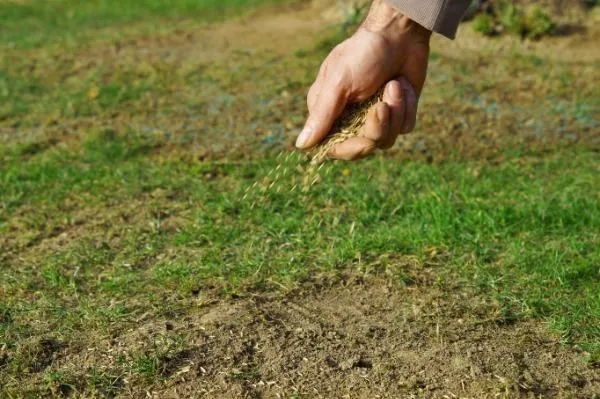
Overseeding is the process of spreading new grass seed over an existing lawn to improve its thickness and health. This method helps fill in bare spots and encourages stronger grass growth without removing the current turf.
Overseeding works best for lawns that are still mostly healthy but need improvement in density or color.
Benefits of overseeding include:
Lower cost compared to sod
Improves lawn thickness
Enhances resistance to weeds and disease
Blends naturally with existing grass
For many homeowners in Omaha, overseeding is a cost-effective way to refresh their lawn.
What Is Sod Installation?
Sod installation involves laying pre-grown grass rolls directly onto prepared soil. This creates an instant green lawn that is already mature and established.
Sod is commonly used for new lawns, heavily damaged yards, or properties that need immediate visual improvement.
Benefits of sod include:
Instant green lawn
Fast coverage of bare soil
Less waiting time compared to seed
Helps prevent soil erosion
Although sod offers immediate results, it generally requires a larger upfront investment.
Climate Considerations for Omaha Lawns
Omaha’s climate includes cold winters and warm summers, which affects grass growth and lawn care practices.
Cool-season grasses such as Kentucky bluegrass and tall fescue are commonly used in the region. These grass types respond well to overseeding, especially during early fall when temperatures are cooler.
Sod installation can be done during spring or fall, but proper watering and soil preparation are essential for successful establishment.
Understanding the local climate helps determine whether overseeding or sod will perform better for your yard.
Cost Comparison: Overseeding vs Sod
Cost is often a major factor when choosing between these two lawn solutions.
Overseeding typically costs much less because it only requires grass seed, fertilizer, and labor. It is ideal for homeowners who want to improve their lawn gradually.
Sod installation is more expensive because it includes pre-grown turf, soil preparation, transportation, and professional installation.
While sod costs more initially, it provides immediate results and faster lawn recovery.
Time Required for Results
Another key difference between overseeding and sod is the time it takes to achieve a full lawn.
Overseeding requires patience because grass seeds take time to germinate and grow. Most lawns begin showing improvement within a few weeks, but full coverage can take several months.
Sod provides instant coverage since the grass is already grown. Within a few weeks, properly installed sod begins rooting into the soil.
If quick results are the priority, sod may be the better option.
Maintenance Requirements
Both overseeding and sod require proper care after installation.
Overseeding maintenance includes:
Frequent watering during germination
Avoiding heavy foot traffic
Applying fertilizer as needed
Regular mowing once grass grows
Sod maintenance includes:
Daily watering during the first weeks
Monitoring root establishment
Avoiding heavy use until roots are secure
Proper maintenance ensures long-term lawn health regardless of the method chosen.
When Overseeding Is the Better Choice
Overseeding is usually the best option when:
The existing lawn is still mostly healthy
You want a cost-effective lawn improvement
The lawn has thin areas or minor damage
You want to improve grass density naturally
For many Omaha homeowners, overseeding every year or two helps maintain a thick and healthy lawn.
When Sod Is the Better Choice
Sod may be the better solution when:
The lawn is severely damaged or mostly bare
You want instant curb appeal
You are installing a new lawn
You need quick erosion control
Sod provides immediate results and is ideal for large landscaping transformations.
Combining Overseeding and Sod
In some cases, the best approach is using both methods together. Sod can be installed in large bare areas while overseeding improves thinner sections of the lawn.
This combination allows homeowners to restore lawns efficiently while controlling costs.
Conclusion
Choosing between overseeding vs sod Omaha homeowners depends on lawn condition, budget, and desired results. Overseeding is a cost-effective way to thicken an existing lawn, while sod provides instant greenery and faster coverage for heavily damaged areas.
By understanding the benefits and limitations of each option, homeowners can select the best lawn care strategy for maintaining a beautiful and healthy yard in Omaha.
FAQs
What is the best time to overseed lawns in Omaha?
Early fall is typically the best time to overseed because cooler temperatures help grass seed germinate successfully.
Is sod better than overseeding?
Sod provides instant results, while overseeding is more affordable and improves existing lawns gradually.
How long does sod take to root?
Sod usually begins rooting within two to three weeks when properly watered and maintained.
Can you overseed over existing grass?
Yes, overseeding is specifically designed to add new grass seed to an existing lawn to improve thickness.
Which option is cheaper for lawn repair?
Overseeding is generally the more affordable option compared to installing sod.
